Service line
Mold Remediation
Physical removal of contamination under sealed containment, performed to ANSI/IICRC S520, with the moisture corrected and the result verified before the barriers come down.
What this work is
Removal, not treatment.
ANSI/IICRC S520 is clear about something most property owners never hear: mold remediation is the physical removal of mold contamination, not simply killing it. Dead spores and fragments still irritate airways, and a coat of encapsulant over a wet wall solves nothing. So our process begins with an honest inspection and moisture readings, classifies what we find under the S520 Condition framework, and recommends an independent indoor environmental professional whenever the extent is unclear, occupants have health concerns, or a dispute is likely, so the people specifying the work are not the people selling it.
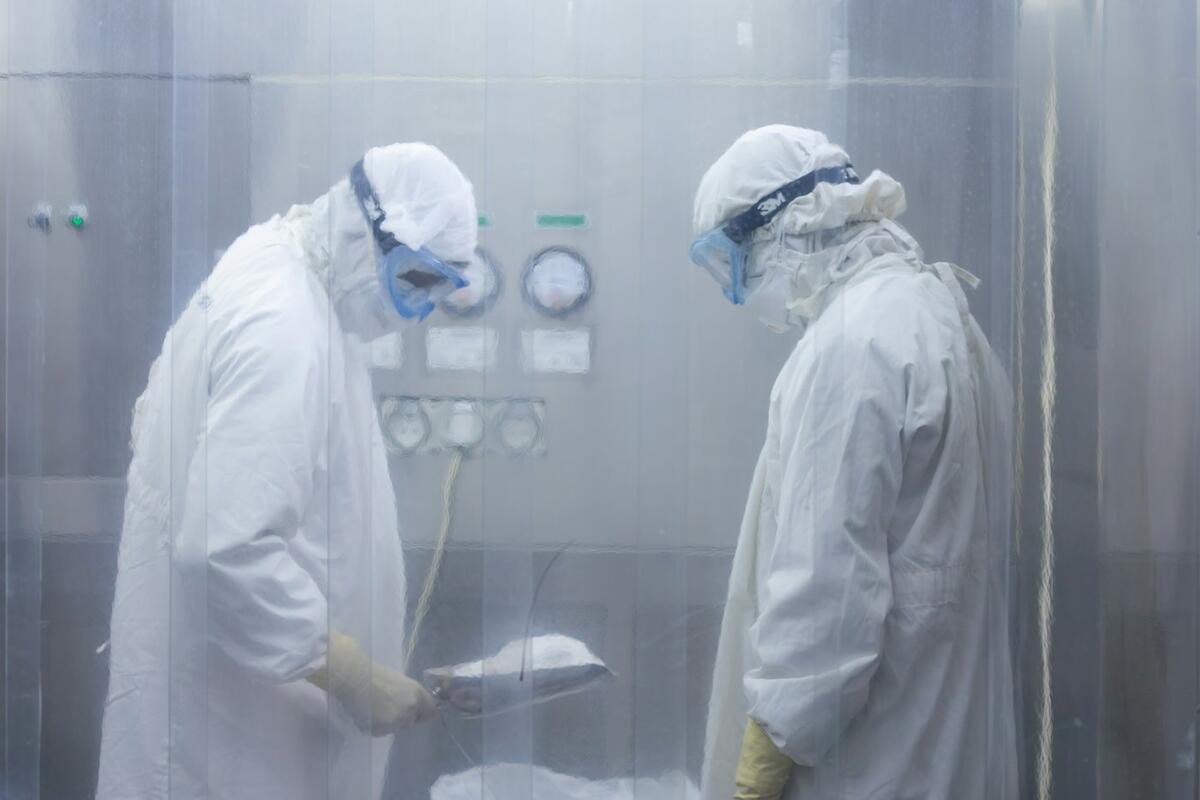
Before anything is disturbed, we seal the work area with critical barriers, isolate the HVAC, and establish HEPA-filtered negative pressure that is checked with a manometer. Inside containment, crews in appropriate respiratory protection remove contaminated porous materials, HEPA-vacuum and damp-wipe remaining surfaces, and bag debris before it leaves. The moisture source is corrected using S500 drying methodology, because mold is a water problem first. Our own post-remediation evaluation confirms the area is clean and dry; where the situation calls for it, or whenever you prefer it, an independent professional performs post-remediation verification. Containment stays up until the final check passes.
Per ANSI/IICRC S520
The three Conditions that scope every mold job
S520 classifies an indoor environment by what is actually present, not by how it looks from the doorway. The Condition determination decides where containment goes, what comes out, and what the finish line is.
Normal fungal ecology. The space may contain settled or airborne spores and fragments, but at the identity, location, and quantity expected in a similar clean, dry indoor environment. This is the goal of every remediation.
Settled spores. An area contaminated primarily by spores and fragments dispersed from a Condition 3 area, which may be well beyond the visible growth. It is cleaned, not demolished, and it is why containment matters.
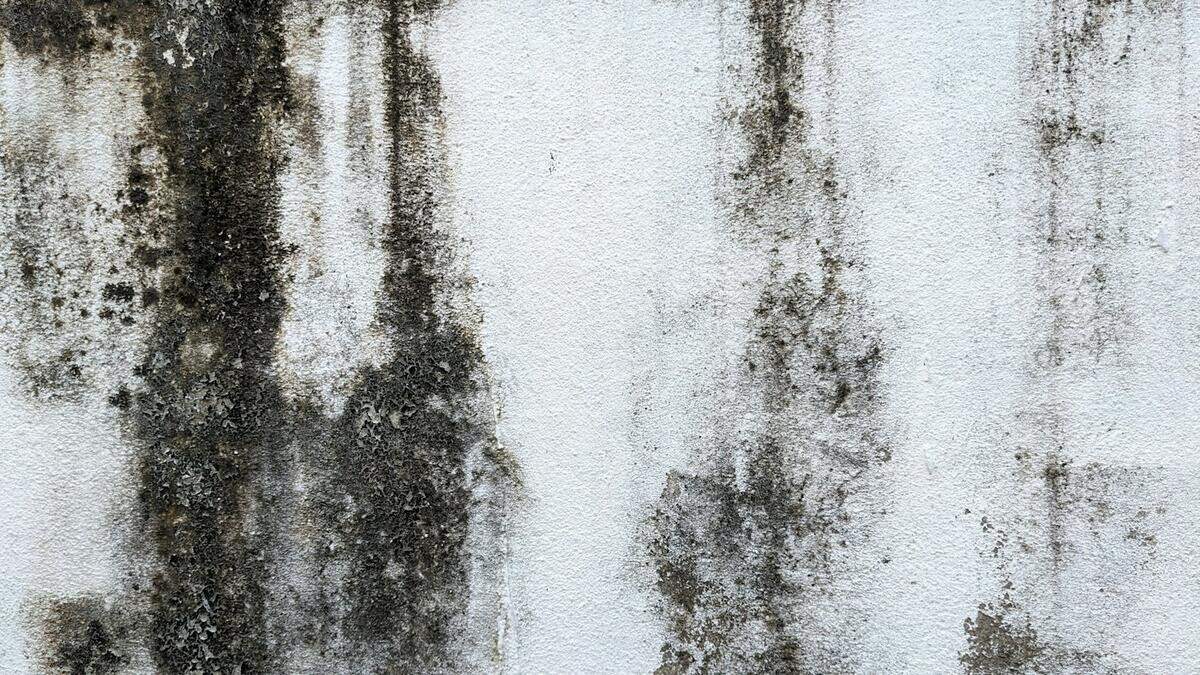
Actual growth. An area with visible or confirmed mold growth and its associated spores and fragments. Contaminated porous materials are physically removed under containment.
Calibrated to the building
The same standard, written for your setting
A hospital, an office building, and a family home carry different risks and different rules. Choose yours to see how the work runs.
For healthcare
Mold remediation your infection preventionist can sign off on.
Containment, negative pressure, HEPA, and documentation performed to ANSI/IICRC S520, run under your ICRA permit, and written for the people who answer to surveyors.
In a hospital, mold is not a maintenance ticket. It is an infection-control event, and someone in your Infection Prevention office will eventually be asked to show what was found, how it was contained, whether the pressure held, and who verified the space before patients came back. VeraPoint was founded by healthcare professionals who have stood on the clinical side of that question. We built our mold remediation practice to answer it.
Our work follows ANSI/IICRC S520, the Standard for Professional Mold Remediation, and is structured around your facility's ICRA 2.0 precautions matrix. That means physical removal under containment rather than fogging or "killing." Negative pressure you can read on a gauge and we log. HEPA at every exhaust and on every surface. And a close-out package assembled the way a chart is assembled: complete, dated, and ready to hand to the next person who needs it.
What's at stake
A precaution class you did not plan for
Facilities applying ASHE ICRA 2.0 commonly treat discovered mold as an environmental hazard that raises the precaution class, often into Class IV or V. A ceiling stain near a surgical unit can suddenly call for an anteroom, continuous pressure monitoring, and an Infection Prevention-approved permit. We arrive expecting that, not surprised by it.
Beds you cannot close
The unit on the other side of the barrier still has a census, a procedure schedule, and a charge nurse who needs the hallway. Containment has to be tight enough, quiet enough, and routed carefully enough that care continues while Condition 3 material leaves the building sealed.
A surveyor's question six months later
Joint Commission and CMS surveyors can ask for the pressure logs, barrier inspection records, and post-remediation verification long after the containment came down. If the record is thin, the facility carries the finding, not the contractor. We document so that the record is never thin.
How the work runs
Assessment and preliminary determination
Per ANSI/IICRC S520, we inspect the affected area, determine the extent of Condition 3 (actual growth) and Condition 2 (settled spores and fragments) contamination, identify the moisture source, and flag any limitations, complexities, complications, or conflicts before a tool is lifted. Because a healthcare setting is a sensitive environment, we recommend an independent Indoor Environmental Professional write the remediation protocol rather than specifying our own scope. We bring our findings to your Infection Prevention and facilities teams so the ICRA activity type and patient risk group can be set together.
ICRA permit and containment build
We work under your facility's ICRA permit, not around it. Critical barriers go over HVAC supplies and returns, doors, and openings; the work zone is isolated floor to ceiling with sealed, fire-code-compliant polyethylene or hard-wall barriers, with an anteroom for donning, doffing, and HEPA-vacuuming before anyone exits when the precaution class calls for it. Tacky mats, dedicated debris routes, and crew badging follow your facility's rules, and HVAC serving the area is shut down or isolated before removal begins.
Negative pressure, verified and logged
HEPA-filtered negative air machines exhaust outdoors where the building allows, and only through HEPA filtration when air must be discharged indoors, so the work zone stays negative relative to adjacent patient-care space, consistent with CDC/HICPAC environmental infection control recommendations. We verify the differential with a manometer, monitor it throughout the work, and record it at least daily. Barriers are inspected each shift and gaps are repaired immediately, because a breach that is not logged is a breach that did not get fixed.
Physical removal, not chemical theater
A core principle of S520 is that mold remediation is the physical removal of contamination, not simply killing it; dead spores and fragments remain allergenic and irritant. We remove contaminated porous materials, bag and seal debris inside containment, wipe containers down before they leave, and clean remaining surfaces with a HEPA-vacuum, damp-wipe, HEPA-vacuum sequence. Antimicrobials are adjuncts only, EPA-registered, applied per label, and never without your written consent.
Correct the moisture
Mold is a moisture symptom, and S520 treats correcting the moisture problem as a core principle, because without it the growth returns. Where water damage is involved, we dry affected materials to drying goals set against a dry standard per ANSI/IICRC S500, and we coordinate with your facilities team so the leak, condensation, or pressure imbalance that started it is actually resolved before the area is released.
Evaluation, independent verification, and handoff
We perform our own Post-Remediation Evaluation per S520: no visible dust, debris, or growth, materials dry, moisture source corrected. Then an independent IEP, which we recommend on every healthcare project and which your facility engages, performs Post-Remediation Verification to confirm the space has returned to Condition 1, normal fungal ecology. Containment comes down only after PRV passes and the zone has been cleaned; HVAC and pressure relationships are then restored with your facilities team, and your Infection Prevention team receives the complete close-out package.
Standards that shape this work
ANSI/IICRC S520:2024
Defines the Condition 1, 2, and 3 framework we use to scope the work, establishes physical removal under containment as the remedy with cleaners, antimicrobials, and coatings as adjunct tools only, and separates our internal Post-Remediation Evaluation from independent Post-Remediation Verification so the facility gets a third-party clearance.
ASHE ICRA 2.0
Your facility's activity type and patient risk group determine the precaution class, and that class, not our convenience, dictates the barrier type, anteroom, pressure monitoring, and permit approval we build the job around.
CDC/HICPAC Guidelines for Environmental Infection Control in Health-Care Facilities
Shapes how we maintain and document negative pressure in work zones adjacent to patient care, provide an anteroom for crews, exhaust through HEPA, and treat wet absorbent materials that cannot be cleaned and dried within 72 hours as material to remove.
ANSI/IICRC S500-2021
Governs the drying side of a mold job, so moisture mapping, drying goals, and daily psychrometric logs follow the same standard your water mitigation work does.
Why VeraPoint
Founded by healthcare professionals
We know what an Environment of Care survey looks like from the inside, what an Infection Preventionist needs to see before signing a permit, and why "the contractor said it was fine" is not an answer. That background is the reason VeraPoint exists.
Documentation with chain-of-custody discipline
Every photo, moisture reading, pressure log, barrier inspection, and debris removal is timestamped and attributed. The close-out package is built to be filed with your ICRA permit and produced on request, by you, without calling us.
We do not clear our own work
S520 separates the remediator's evaluation from independent verification for a reason. We recommend an independent IEP for protocol and post-remediation verification on every healthcare project, and we treat a passing PRV, not our own opinion, as the finish line.
Questions we hear
Do you work under our ICRA permit, or bring your own protocol?
Can the adjacent unit stay open during remediation?
Do you spray, fog, or encapsulate mold?
What does the close-out package include?
Talk to someone who knows what your Infection Prevention team will ask
VeraPoint Restoration brings this approach to hospitals, surgery centers, clinics, long-term care, dental offices, and labs across Missouri and Kansas, with the capability to respond nationwide. Our emergency line is staffed 24/7.
For commercial
Mold remediation built around your operating hours
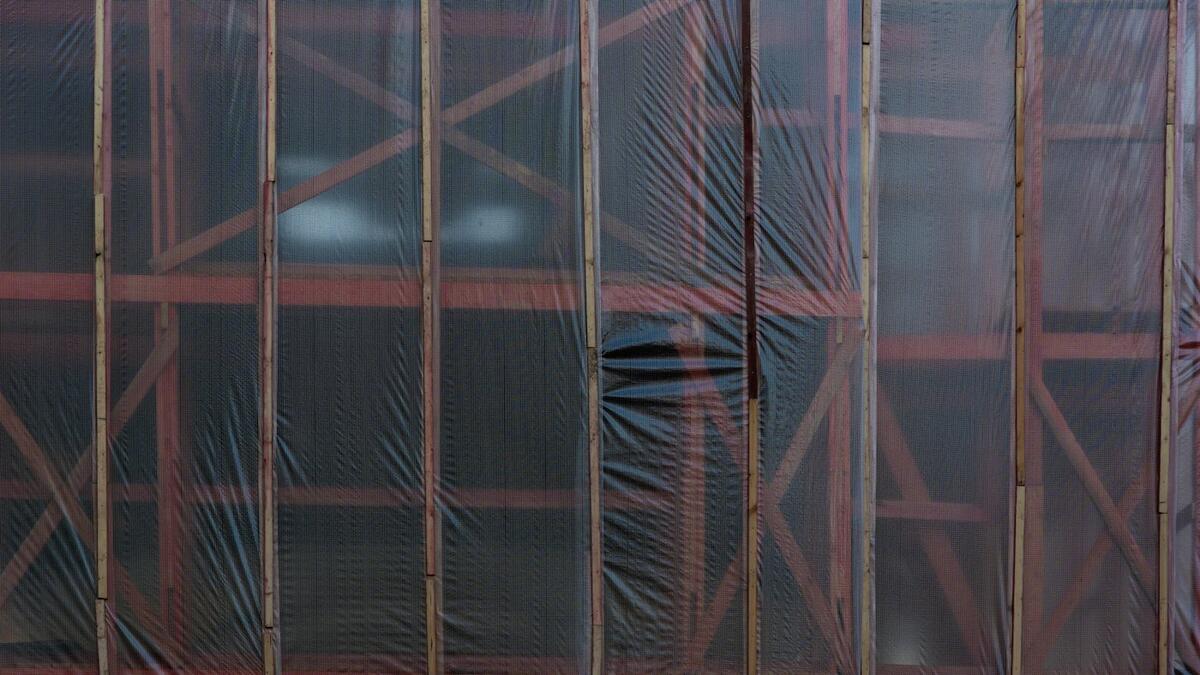
Containment discipline from the clinical world, applied to offices, retail, multifamily, warehouses, schools, and churches, so one affected area does not become a building-wide problem and your tenants never have to guess what is happening.
A mold finding in a commercial building is rarely just a mold problem. It is a tenant-communication problem, a liability question, an insurance file, and a scheduling puzzle, all arriving at once. VeraPoint was founded by healthcare professionals who spent their careers in settings where containment and documentation are not optional, and we run commercial mold projects the same way: isolate the affected area, physically remove the contamination, correct the moisture, verify the result, and hand you a record that holds up to an adjuster, an attorney, or a tenant's questions.
Our work follows the ANSI/IICRC S520 Standard for Professional Mold Remediation. In plain terms, that means we do not fog, spray, or "treat" mold and call it finished. Under S520, remediation means the physical removal of mold contamination, not simply killing it, because dead spores and fragments are still allergenic. It also means the moisture problem gets corrected, or the job is not done. Everything else we offer, after-hours scheduling, phased containment, tenant notices, and insurance-ready documentation, is how we fit that standard into a building that has to stay open.
What's at stake
Downtime you cannot bill for
Every hour a suite, a sales floor, a classroom, or a rentable unit sits closed is revenue lost or a lease obligation strained. We size containment to the affected zone, not the whole floor, and we schedule the loud, dusty phases for the hours you are not open.
Tenants who find out the wrong way
Nothing damages a landlord relationship faster than a tenant discovering a poly barrier with no explanation. We draft plain-language notices with you before the first barrier goes up, and we keep a named point of contact on the project from start to clearance.
A claim file with holes in it
Mold coverage on commercial property policies is often sub-limited or contingent on a covered water loss, and the carrier's decision rests on the policy language and what you can document. Without a Condition determination, moisture readings, photos, and a clear scope, the adjuster has very little to approve.
How the work runs
Inspection and preliminary determination
We start where S520 starts: a visual inspection, moisture readings on suspect materials, and identification of the moisture source that allowed growth in the first place. Affected areas are classified using the S520 framework of Condition 1 (normal fungal ecology), Condition 2 (settled spores or fragments spread from a growth area), and Condition 3 (actual growth), which defines where containment has to go and what has to come out. When the extent is unclear, occupants have health concerns, or a dispute is likely, we recommend an independent indoor environmental professional (IEP) to write the remediation protocol so the person specifying the work is not the person performing it.
Continuity plan and scheduling
Before any equipment arrives, we map the affected zone against how your building actually runs: hours of operation, tenant access routes, deliveries, HVAC zones, and who needs to know. Demolition and material removal are scheduled for evenings, weekends, or whatever window keeps your operation open, with key, fob, and sign-in protocols agreed in writing. You get a schedule you can share with tenants, and a single contact who answers for it.
Containment and negative pressure
One of S520's core principles is to control the contaminant at its source, so we build floor-to-ceiling containment with critical barriers over supply and return registers, isolate the HVAC serving the area, and place HEPA-filtered negative air machines so air moves into the work zone rather than out of it. Negative pressure is verified with a manometer and logged throughout the project, the same habit hospitals require of construction crews near patient care. If a reading drifts, work stops until the barrier is corrected.
Physical removal and detail cleaning
Inside containment, contaminated porous materials are removed, bagged, and sealed before they leave the work zone. Remaining surfaces are HEPA-vacuumed and damp-wiped to capture settled spores and fragments. Per S520, cleaners, EPA-registered antimicrobials, and coatings are remediation tools used as adjuncts, never as the remedy, and we will not apply a coating over growth that has not been removed. The moisture source is corrected at this stage, by us or by your roofer, plumber, or mechanical contractor, and we confirm it before moving on, because without that step mold returns.
Post-remediation evaluation and independent verification
When removal is complete, we perform our own post-remediation evaluation: no visible dust, debris, or growth; materials dry; moisture source addressed. For commercial projects where a protocol, a tenant, a lender, or a carrier wants independent confirmation, an IEP then performs post-remediation verification to confirm the area has been returned to Condition 1, which may include visual inspection, moisture checks, and surface or air sampling compared against reference samples. Containment stays in place until that verification passes, or, when no independent verification is requested, until our own evaluation is complete and documented.
Close-out package
You receive a single file that tells the whole story: pre-remediation photos and Condition findings, the scope, containment and pressure logs, photos of removed materials, moisture readings, any IEP protocol and clearance report, and a statement of what was corrected at the source. It is organized for your insurance carrier, your property file, and your tenants, in that order of detail, so nobody has to reconstruct what happened six months from now.
Standards that shape this work
ANSI/IICRC S520 (Standard for Professional Mold Remediation)
Defines remediation as physical removal under containment, with a return to Condition 1 as the goal, which is why we scope by Condition, build negative-pressure containment, and hold the barrier until verification instead of spraying and leaving.
ANSI/IICRC S500 (Standard for Professional Water Damage Restoration)
Mold is a moisture problem first, whether that moisture is a roof leak, a failed supply line, a sprinkler discharge, or chronic condensation; when the moisture is still active we apply S500's Category and Class determinations, drying goals, and documentation requirements so the drying record and the mold record form one coherent claim file.
EPA antimicrobial regulation
Any antimicrobial we use is EPA-registered and applied per its label, with the label and safety data sheet provided and your written consent obtained first, and only as a supplement to removal, never in place of it.
Why VeraPoint
Containment is a habit, not a line item
Our founders come from healthcare, where a breached barrier is an incident, not an inconvenience. That discipline shows up in how we seal registers, verify pressure, and treat every exit from containment as a controlled step, even on a Tuesday night in an office suite.
Chain-of-custody thinking for your building
Removed materials are photographed, and pressure and moisture readings are logged with a time stamp. We treat the building the way a clinician treats a patient chart: if it was not documented, it did not happen. That record is what protects you when a tenant, a carrier, or a buyer asks what was done.
After-hours by design, not by request
We plan around your operating hours from the first walkthrough. Phased containment, overnight demolition, and weekend verification windows are the default for occupied commercial buildings, so your tenants see a tidy barrier and a notice, not a crew in the lobby at 9 a.m.
Questions we hear
Do we have to close the building or the floor?
Can you just spray or fog it and be done?
Will our commercial property insurance cover this?
Do we need independent testing or clearance?
Contain the problem. Keep your doors open.
Call our 24/7 line and a project lead will walk the affected area with you, explain the Condition findings in plain language, and give you a containment and scheduling plan built around your operating hours. Serving Missouri and Kansas from Northeast Kansas City, with nationwide capability for multi-site portfolios.
For residential
Mold removed from your home. Not sprayed over.
Honest assessment, sealed containment, physical removal, and verification performed to ANSI/IICRC S520. No scare tactics, no fogging shortcuts, and nothing done to your house that we cannot explain in plain language.
Finding mold in your home usually brings two feelings at once: worry for the people who live there, and suspicion of whoever shows up to fix it. We understand both. VeraPoint was founded by healthcare professionals who spent their careers in settings where containment is not optional and documentation is the job. We bring that same discipline to a finished basement, a bathroom ceiling, or a closet behind a leaking supply line anywhere in the Kansas City metro and across Missouri and Kansas.
Our work follows ANSI/IICRC S520, the professional standard for mold remediation. That standard is clear about something most homeowners never hear: mold remediation is the physical removal of the contamination, not simply killing it. Dead spores and fragments can still irritate airways. So we do not fog, we do not rely on a spray and a coat of paint, and we do not tell you a room is dangerous without showing you why.
What's at stake
Is my family safe right now?
You want a straight answer, not a sales pitch. We tell you what we see, what it means under the S520 Condition framework, and which areas we recommend keeping clear while we work. If someone in the household has asthma, allergies, or a weakened immune system, we build the plan around them, and we will say plainly that questions about symptoms belong with their physician, not a contractor.
Will insurance cover this?
Mold coverage is often limited or tied to a covered water event, and the paperwork usually decides the outcome. We document cause, extent, and every step to the standard adjusters expect, and we will never promise what your policy does not.
What happens to our things?
Furniture, books, the kids' belongings: S520 covers contents, not just walls. We separate what can be HEPA-cleaned and kept from what cannot, and we explain the difference before anything leaves your house.
How the work runs
Inspect and diagnose honestly
We start with a visual inspection and moisture readings to find where the mold is, how far it has spread, and what is feeding it. Following ANSI/IICRC S520, we classify what we find as Condition 1 (normal fungal ecology), Condition 2 (settled spores and fragments that spread from a growth area, sometimes well beyond it), or Condition 3 (actual growth), and we walk you through the difference. If the extent is unclear, someone in the home has health concerns, or an insurance dispute is likely, we recommend an independent indoor environmental professional (IEP) to assess and write the protocol, so the people specifying the work are not the same people selling it.
Build containment before anything is disturbed
Think of it as the isolation room for your house. We seal the work area with polyethylene barriers, place critical barriers over HVAC supplies and returns, isolate the HVAC serving the space, and run HEPA-filtered negative air so air is pulled into the work zone rather than pushed out toward bedrooms and living space. The pressure differential is checked with a manometer before removal begins. S520 treats source control and containment as core principles, and so do we.
Remove the contamination physically
Inside containment, crews in appropriate respirators, gloves, eye protection, and coveralls remove contaminated porous materials such as drywall and insulation, then HEPA-vacuum and damp-wipe the remaining surfaces. Debris is bagged and sealed before it leaves the containment. Per S520, cleaners, antimicrobial chemicals, and coatings are remediation tools, not the remedy, so you will not see us substitute a fog or a spray for removal.
Correct the moisture, or the mold comes back
Nearly every mold problem is a water problem first. We identify the source, whether a slow leak, condensation, or outside water finding its way in, and dry the affected materials to a documented drying goal using ANSI/IICRC S500 methodology. Where the fix is a building repair, our reconstruction team can take it on; where it is a plumbing or roofing issue, we tell you exactly what to ask for so the cause is resolved, not just the symptom.
Verify before the barriers come down
Every project gets a post-remediation evaluation by our own crew, as S520 describes: no visible dust, debris, or growth, materials confirmed dry, and the moisture source corrected. When the situation calls for it, or whenever you prefer it, an independent IEP then performs post-remediation verification (PRV) to confirm the area has returned to Condition 1. Either way, the barriers stay up until the final check passes. And when the stakes are your family's air, we would rather an independent professional grade our work than ask you to take our word for it.
Document everything and put your home back
You receive a close-out file: before, during, and after photos, moisture readings, containment and disposal records, and any IEP report. It is written so an adjuster, a future buyer, or your physician can read it without calling us to translate. Then our reconstruction team restores drywall, paint, and trim so the room looks like nothing happened, with a record proving what did.
Standards that shape this work
ANSI/IICRC S520
The Standard for Professional Mold Remediation gives us the Condition 1/2/3 framework and the principle that mold is physically removed under containment, not killed in place, which is why we never sell a spray as a solution.
ANSI/IICRC S500
The Standard for Professional Water Damage Restoration governs how we map moisture, set a drying goal against a dry standard, and log drying progress, because the water that fed the mold has to be dealt with on the same visit.
EPA-registered antimicrobials
If an antimicrobial is ever appropriate, we use only EPA-registered products applied per label, give you the label and safety data sheet, and get your signed written consent before anyone sprays anything in your home.
OSHA respiratory protection
OSHA requires that crews who wear respirators do so under a written respiratory protection program with fit testing and medical evaluation (29 CFR 1910.134). We treat that as a floor, not a formality, because protecting our people is part of protecting yours.
Why VeraPoint
Containment discipline, learned in healthcare
Our founders come from clinical settings where a barrier that leaks is a failure, not a shortcut. We apply the same thinking to your hallway: sealed, under negative pressure, and checked before work starts rather than assumed.
A record you can hand to anyone
Every project produces a chain of documentation from first reading to final verification. Adjusters use it to evaluate claims, landlords use it to answer tenants, and sellers use it to answer buyers. It is built from readings, photos, and third-party reports so an outside reader can check the work rather than take our word for it.
No scare tactics, ever
We will tell you when a problem is small. We will tell you when it is not. And we will tell you when the right first call is a plumber, a roofer, or an independent inspector instead of us. Fear is not a sales tool here; a clear explanation is.
Questions we hear
Do I need mold testing before you can start?
Can't I just bleach it myself?
Will my homeowner's insurance cover mold remediation?
Do we have to move out while you work?
Found mold? Let's look at it honestly.
Call (816) 848-4231 any hour. We will ask about the moisture, the location, and who lives in the home, then tell you what the next step should be, even if that step is not us.