Who we serve
Healthcare
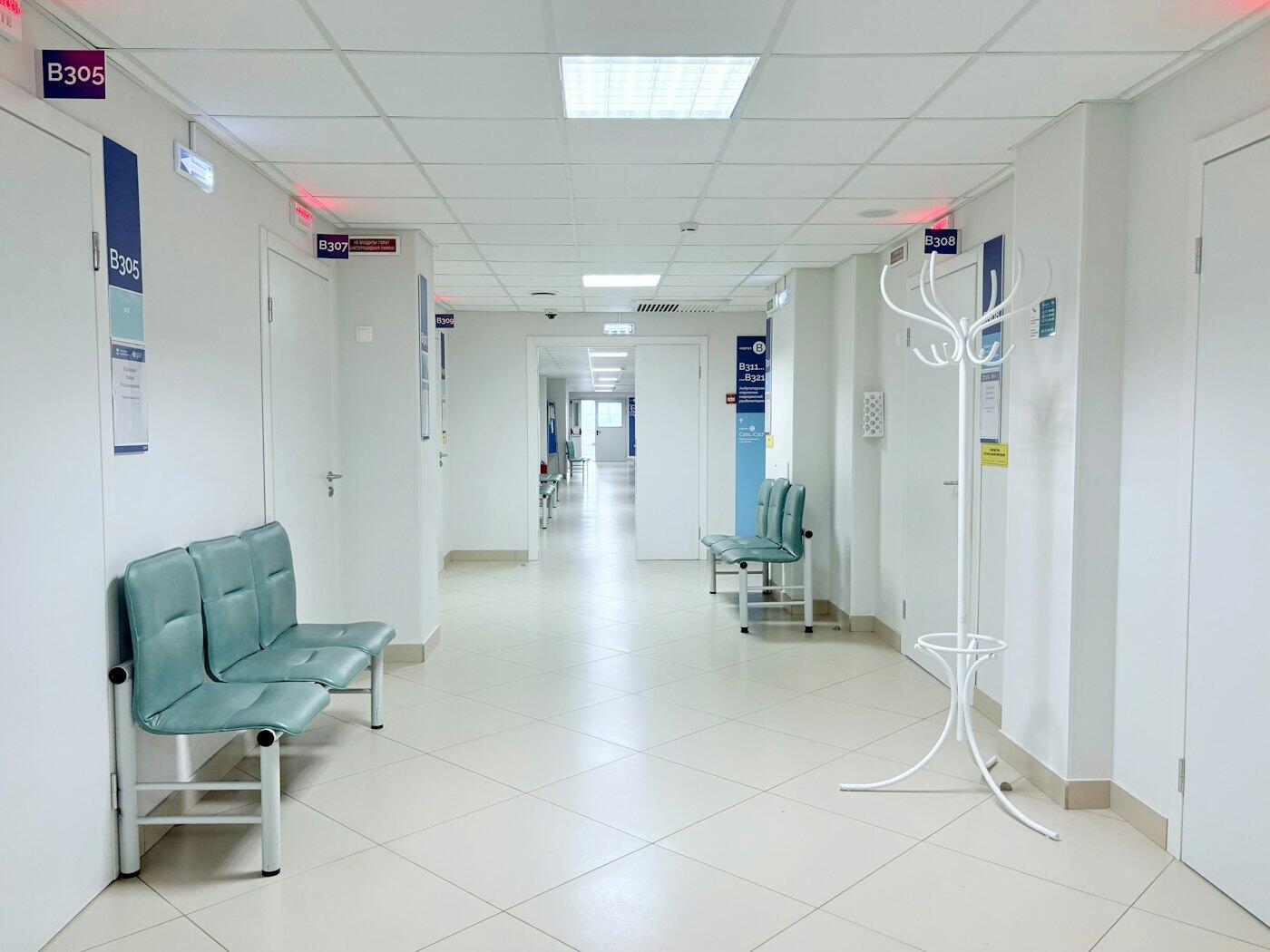
In a hospital, a water loss is an infection-control event. We respond to it the way your infection prevention team would if they ran a drying crew.
Restoration inside the clinical environment
VeraPoint was founded by healthcare professionals who have stood on the clinical side of the containment wall. We know what a surveyor asks to see, what an infection preventionist needs in the file, and why a unit that stays open behind a verified barrier is worth more to you than a unit closed for a week. Our work in healthcare facilities follows ANSI/IICRC S500 and S520 layered with the construction-precaution discipline your own ICRA already demands: critical barriers sealed to the deck, HVAC isolated, HEPA-filtered negative pressure logged daily against your permit threshold, an anteroom where the precaution class requires one, and debris routed along the path your facility designates.
We phase the work around census and procedure schedules, bring the Category and Class determination and the patient risk group of adjacent spaces to your infection preventionist so the precaution class is set together, and close out with a package built for the infection prevention binder and the adjuster's file at the same time. Where visible growth is found, we stop, bring in an independent indoor environmental professional, and do not clear our own mold work. For health systems with facilities beyond Missouri and Kansas, we have the capability to mobilize nationwide under the same lead and the same methodology.
Facility types we serve
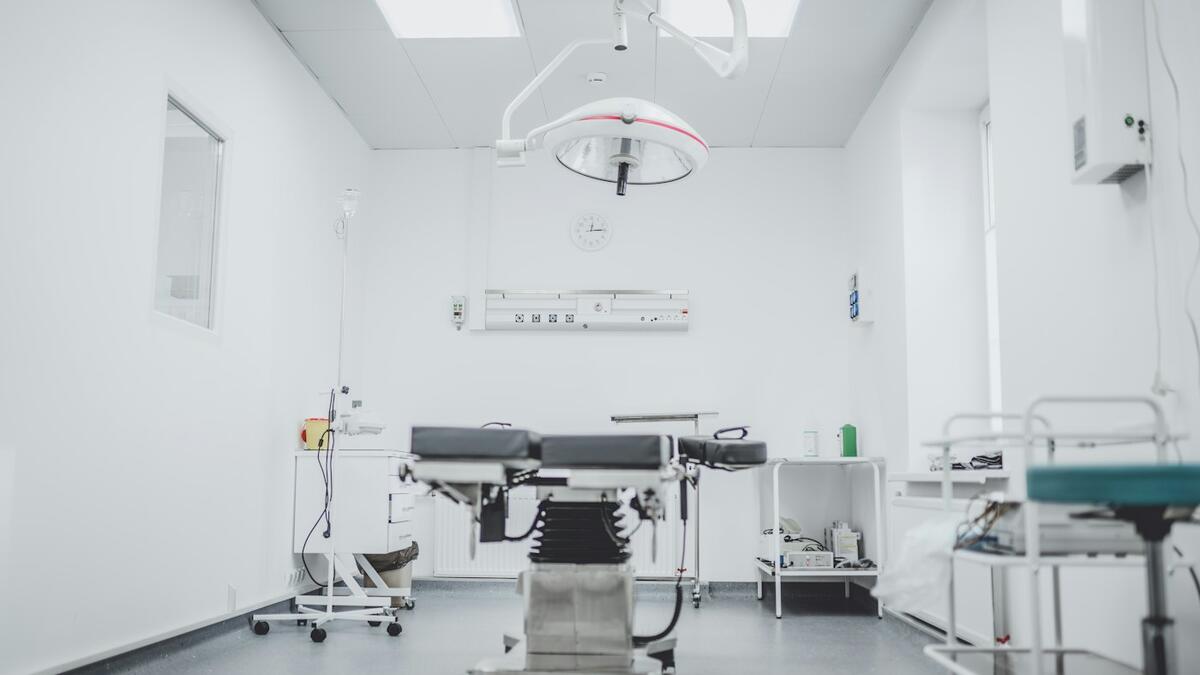
- Hospitals and medical centers
- Ambulatory surgery centers
- Outpatient clinics and medical office buildings
- Skilled nursing and long-term care
- Senior living and assisted living communities
- Behavioral health and specialty facilities
Three service lines, one standard
How each service runs in a healthcare facility
Choose a service line to see the risks it carries in your building, how the work is sequenced under your ICRA permit, the standards it follows, and the questions facilities and infection prevention teams ask us most.
Water mitigation for healthcare
In a hospital, a water loss is an infection-control event.
VeraPoint dries healthcare buildings the way your infection prevention team would if they ran a drying crew: under your ICRA permit, behind sealed negative-pressure containment, and with a record of every reading. Performed to ANSI/IICRC S500 and the CDC/HICPAC environmental infection control guidelines.
A burst supply line above a med-surg unit is not a plumbing problem with a patient-safety footnote. It is a patient-safety problem that happens to involve plumbing. Wet gypsum and ceiling tile can become a fungal reservoir within days, the CDC guidelines give you a 72-hour window to dry or remove absorbent materials, and every hour the HVAC keeps moving air across a damp cavity is potential exposure for the people who can least afford it. The restorer you call has to understand all of that before the first air mover is set.
VeraPoint Restoration was founded by healthcare professionals who have stood on the other side of the containment wall. We know what a surveyor asks to see, what an infection preventionist needs in the file, and why a unit that stays open with a verified barrier is worth more to you than a unit closed for a week. Our water mitigation follows ANSI/IICRC S500, the industry's standard of care for water damage restoration, layered with the construction-precaution discipline your own ICRA already demands. Clinical standard is not a slogan here. It is the training we came from.
What's at stake
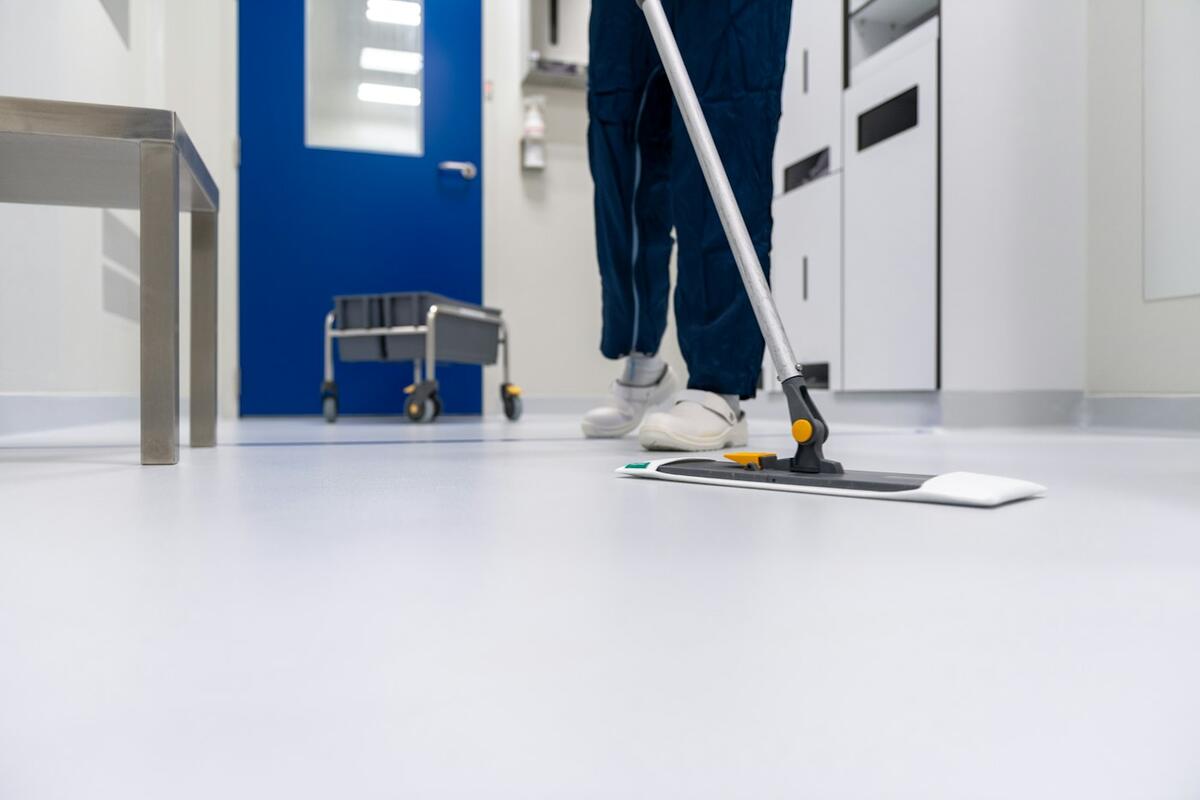
The barrier is only as good as the crew behind it
A poly wall with a gap at the ceiling deck is theater, not containment. Healthcare water losses need critical barriers sealed to the structure, HVAC supplies and returns blocked, and negative pressure that is actually measured, not assumed.
Survey readiness does not pause for a leak
When The Joint Commission or a CMS surveyor walks the floor, the file on last month's water event is fair game. If the contractor cannot produce the ICRA permit, daily pressure logs, and drying records, the finding lands on the facility, not the vendor.
Closing beds is the most expensive mitigation strategy there is
Diverting a surgical suite or taking a wing offline costs more per day than most restoration invoices. The work has to be phased around census, procedure schedules, and after-hours windows so the smallest possible footprint is out of service for the shortest possible time.
How the work runs
Triage with your infection prevention team, not around them
Before equipment rolls, we classify the water per ANSI/IICRC S500: Category 1 (clean source), Category 2 (significantly contaminated), or Category 3 (grossly contaminated, such as sewage or backflow from beyond the trap), and the Class of intrusion based on how much surface area is wet and how porous the materials are. S500 notes that category can degrade with time and temperature, so the clock matters. We bring that determination, the affected-area map, and the patient risk group of the adjacent spaces to your infection preventionist so the ICRA precaution class is set together. Gray or black water in an occupied unit will typically push the precaution class up; we plan for that rather than argue about it.
Build containment to the precaution class, then prove it
Under your ICRA permit we install critical barriers sealed floor to deck, isolate or block HVAC supplies and returns serving the area, and establish negative pressure inside the work zone using HEPA-filtered negative air machines exhausted outdoors or through HEPA, consistent with the CDC/HICPAC recommendation for work zones adjacent to patient-care areas. For Class IV and V precautions we add an anteroom for donning and doffing, tacky mats at the entry, and continuous pressure monitoring. The differential is read and logged daily against your facility's permit threshold, and that log is yours.
Extract, map, and set drying goals before anything is removed
We extract standing water, then map the boundary of moisture migration with non-invasive meters for scanning and pin meters for the readings that go on record, with thermal imaging as a screening aid. Per ANSI/IICRC S500 we establish a dry standard from unaffected materials of the same type in your building and set a drying goal for each affected material. This is the baseline every later reading is judged against, and it is what tells us whether a wall can be dried in place or has to come out.
Remove what cannot be saved, under negative pressure
ANSI/IICRC S500 lists gypsum wallboard among the porous materials that should be removed and replaced, not dried, after Category 3 contact, and the CDC guidelines call for removing absorbent materials that cannot be cleaned and dried within 72 hours. We cut, bag, and seal debris inside containment, wet-wipe or HEPA-vacuum carts before they leave, and route them along the path your facility designates. Above-ceiling work is enclosed and kept under negative pressure with HEPA exhaust. Where antimicrobials are warranted, and S500 is clear that they generally are not for a Category 1 loss that has not changed category, we use only EPA-registered products selected with your infection prevention team, provide the label and SDS, and obtain signed written consent first.
Dry to the goal, read the psychrometrics every day
Air movers deliver continuous airflow across every wet surface, including wall cavities where the water category allows them to be dried in place, with HEPA air filtration devices running whenever air is moving through cavities that cannot be fully cleaned. Low-grain refrigerant or desiccant dehumidification is sized to the evaporation load. Temperature, relative humidity, and grains per pound are recorded at least daily in the affected area, an unaffected reference area, outdoors, and at dehumidifier inlets and outlets, alongside moisture content for every mapped material. Readings should trend down; if they do not, the equipment plan changes that day, not at the end of the week.
Verify, clean, and close out with a file your surveyor can read
Containment comes down only after every material has reached its drying goal, the work zone has been HEPA-vacuumed and wet-wiped, and your infection preventionist has signed off on the final inspection. If visible mold growth or suspected contamination is found, we stop, bring in an independent indoor environmental professional as S500 contemplates, and the project moves under ANSI/IICRC S520 with third-party post-remediation verification rather than our own say-so. Your close-out package includes the ICRA permit and precaution class, daily negative-pressure logs, the moisture map with dry standard and drying goals, daily psychrometric and moisture logs, photo documentation of removed materials, equipment logs, any antimicrobial consent, and a certificate of completion. It is built for the infection prevention binder and the adjuster's file at the same time.
Standards that shape this work
ANSI/IICRC S500 (Standard for Professional Water Damage Restoration)
Defines how we categorize contamination, classify the drying load, set dry standards and drying goals, decide between drying in place and removal, handle antimicrobials, and document the job from first inspection to completion.
CDC/HICPAC Guidelines for Environmental Infection Control in Health-Care Facilities
Sets the healthcare overlay: the 72-hour dry-or-remove window for water-damaged materials, negative pressure in work zones adjacent to patient care, daily pressure documentation, HEPA exhaust, anterooms, and barrier maintenance.
ASHE ICRA 2.0 (Infection Control Risk Assessment)
Provides the activity-type and patient-risk-group matrix your facility uses to assign a precaution class, which dictates the barrier, pressure, anteroom, and permit requirements we build to.
ANSI/IICRC S520 (Standard for Professional Mold Remediation)
Governs the handoff when a water loss has already produced fungal growth, including containment, physical removal, and independent post-remediation verification before a space returns to service.
Why VeraPoint
We came from your side of the barrier
VeraPoint was founded by healthcare professionals. The reflexes that make a good clinician, including contamination awareness, closed-loop documentation, and respect for the chain of custody, are the reflexes we bring to a wet ceiling cavity. We do not need the ICRA explained to us, and we will not ask your infection preventionist to babysit the crew.
Every promise comes with its proof
Anyone can say 24/7 response. We pair the response with the record: the moisture map, the pressure log, the daily psychrometrics, the consent forms, the photos of what came out of the wall. If a surveyor or a carrier asks what happened in Room 412 last March, the answer is in a file, not in someone's memory.
Built to keep units open, not to make the job easy
Containment sized to the actual affected area, work phased around census and procedure blocks, after-hours and overnight crews when that is what the schedule demands, and one accountable project lead who talks to facilities, infection prevention, and environmental services in their own language. Our measure of success is how little of your building we take out of service.
Questions we hear
Can you work while the unit stays occupied?
What documentation will my infection prevention team and surveyors receive?
Does every water loss require tearing out drywall?
Do you perform air sampling for mold after a water loss?
Wet ceiling tile over a patient room? Call now.
Our 24/7 emergency line reaches a crew that already knows what an ICRA permit is. Tell us the unit, the source, and the patient population, and we will tell you what the containment looks like before we arrive. Serving Missouri and Kansas from Northeast Kansas City, with nationwide capability for health systems.
Mold remediation for healthcare
Mold remediation your infection preventionist can sign off on.
Containment, negative pressure, HEPA, and documentation performed to ANSI/IICRC S520, run under your ICRA permit, and written for the people who answer to surveyors.
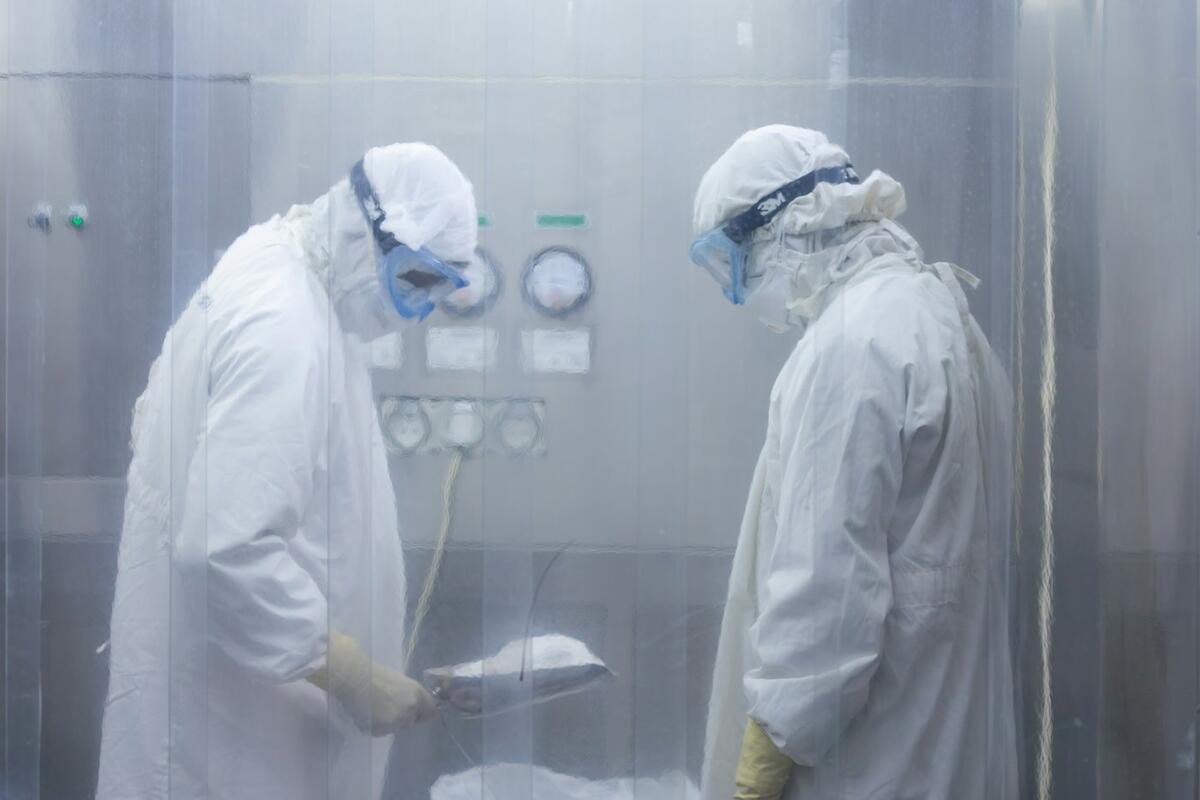
In a hospital, mold is not a maintenance ticket. It is an infection-control event, and someone in your Infection Prevention office will eventually be asked to show what was found, how it was contained, whether the pressure held, and who verified the space before patients came back. VeraPoint was founded by healthcare professionals who have stood on the clinical side of that question. We built our mold remediation practice to answer it.
Our work follows ANSI/IICRC S520, the Standard for Professional Mold Remediation, and is structured around your facility's ICRA 2.0 precautions matrix. That means physical removal under containment rather than fogging or "killing." Negative pressure you can read on a gauge and we log. HEPA at every exhaust and on every surface. And a close-out package assembled the way a chart is assembled: complete, dated, and ready to hand to the next person who needs it.
What's at stake
A precaution class you did not plan for
Facilities applying ASHE ICRA 2.0 commonly treat discovered mold as an environmental hazard that raises the precaution class, often into Class IV or V. A ceiling stain near a surgical unit can suddenly call for an anteroom, continuous pressure monitoring, and an Infection Prevention-approved permit. We arrive expecting that, not surprised by it.
Beds you cannot close
The unit on the other side of the barrier still has a census, a procedure schedule, and a charge nurse who needs the hallway. Containment has to be tight enough, quiet enough, and routed carefully enough that care continues while Condition 3 material leaves the building sealed.
A surveyor's question six months later
Joint Commission and CMS surveyors can ask for the pressure logs, barrier inspection records, and post-remediation verification long after the containment came down. If the record is thin, the facility carries the finding, not the contractor. We document so that the record is never thin.
How the work runs
Assessment and preliminary determination
Per ANSI/IICRC S520, we inspect the affected area, determine the extent of Condition 3 (actual growth) and Condition 2 (settled spores and fragments) contamination, identify the moisture source, and flag any limitations, complexities, complications, or conflicts before a tool is lifted. Because a healthcare setting is a sensitive environment, we recommend an independent Indoor Environmental Professional write the remediation protocol rather than specifying our own scope. We bring our findings to your Infection Prevention and facilities teams so the ICRA activity type and patient risk group can be set together.
ICRA permit and containment build
We work under your facility's ICRA permit, not around it. Critical barriers go over HVAC supplies and returns, doors, and openings; the work zone is isolated floor to ceiling with sealed, fire-code-compliant polyethylene or hard-wall barriers, with an anteroom for donning, doffing, and HEPA-vacuuming before anyone exits when the precaution class calls for it. Tacky mats, dedicated debris routes, and crew badging follow your facility's rules, and HVAC serving the area is shut down or isolated before removal begins.
Negative pressure, verified and logged
HEPA-filtered negative air machines exhaust outdoors where the building allows, and only through HEPA filtration when air must be discharged indoors, so the work zone stays negative relative to adjacent patient-care space, consistent with CDC/HICPAC environmental infection control recommendations. We verify the differential with a manometer, monitor it throughout the work, and record it at least daily. Barriers are inspected each shift and gaps are repaired immediately, because a breach that is not logged is a breach that did not get fixed.
Physical removal, not chemical theater
A core principle of S520 is that mold remediation is the physical removal of contamination, not simply killing it; dead spores and fragments remain allergenic and irritant. We remove contaminated porous materials, bag and seal debris inside containment, wipe containers down before they leave, and clean remaining surfaces with a HEPA-vacuum, damp-wipe, HEPA-vacuum sequence. Antimicrobials are adjuncts only, EPA-registered, applied per label, and never without your written consent.
Correct the moisture
Mold is a moisture symptom, and S520 treats correcting the moisture problem as a core principle, because without it the growth returns. Where water damage is involved, we dry affected materials to drying goals set against a dry standard per ANSI/IICRC S500, and we coordinate with your facilities team so the leak, condensation, or pressure imbalance that started it is actually resolved before the area is released.
Evaluation, independent verification, and handoff
We perform our own Post-Remediation Evaluation per S520: no visible dust, debris, or growth, materials dry, moisture source corrected. Then an independent IEP, which we recommend on every healthcare project and which your facility engages, performs Post-Remediation Verification to confirm the space has returned to Condition 1, normal fungal ecology. Containment comes down only after PRV passes and the zone has been cleaned; HVAC and pressure relationships are then restored with your facilities team, and your Infection Prevention team receives the complete close-out package.
Standards that shape this work
ANSI/IICRC S520:2024
Defines the Condition 1, 2, and 3 framework we use to scope the work, establishes physical removal under containment as the remedy with cleaners, antimicrobials, and coatings as adjunct tools only, and separates our internal Post-Remediation Evaluation from independent Post-Remediation Verification so the facility gets a third-party clearance.
ASHE ICRA 2.0
Your facility's activity type and patient risk group determine the precaution class, and that class, not our convenience, dictates the barrier type, anteroom, pressure monitoring, and permit approval we build the job around.
CDC/HICPAC Guidelines for Environmental Infection Control in Health-Care Facilities
Shapes how we maintain and document negative pressure in work zones adjacent to patient care, provide an anteroom for crews, exhaust through HEPA, and treat wet absorbent materials that cannot be cleaned and dried within 72 hours as material to remove.
ANSI/IICRC S500-2021
Governs the drying side of a mold job, so moisture mapping, drying goals, and daily psychrometric logs follow the same standard your water mitigation work does.
Why VeraPoint
Founded by healthcare professionals
We know what an Environment of Care survey looks like from the inside, what an Infection Preventionist needs to see before signing a permit, and why "the contractor said it was fine" is not an answer. That background is the reason VeraPoint exists.
Documentation with chain-of-custody discipline
Every photo, moisture reading, pressure log, barrier inspection, and debris removal is timestamped and attributed. The close-out package is built to be filed with your ICRA permit and produced on request, by you, without calling us.
We do not clear our own work
S520 separates the remediator's evaluation from independent verification for a reason. We recommend an independent IEP for protocol and post-remediation verification on every healthcare project, and we treat a passing PRV, not our own opinion, as the finish line.
Questions we hear
Do you work under our ICRA permit, or bring your own protocol?
Can the adjacent unit stay open during remediation?
Do you spray, fog, or encapsulate mold?
What does the close-out package include?
Talk to someone who knows what your Infection Prevention team will ask
VeraPoint Restoration brings this approach to hospitals, surgery centers, clinics, long-term care, dental offices, and labs across Missouri and Kansas, with the capability to respond nationwide. Our emergency line is staffed 24/7.
Reconstruction for healthcare
Rebuilt under containment. Reopened survey-ready.
Post-mitigation reconstruction for hospitals, surgery centers, clinics, long-term care, dental practices, and labs. The water is gone; the infection-control obligation is not. We rebuild behind the barrier, document every shift, and hand the unit back with a file your infection prevention team can put in front of a surveyor.
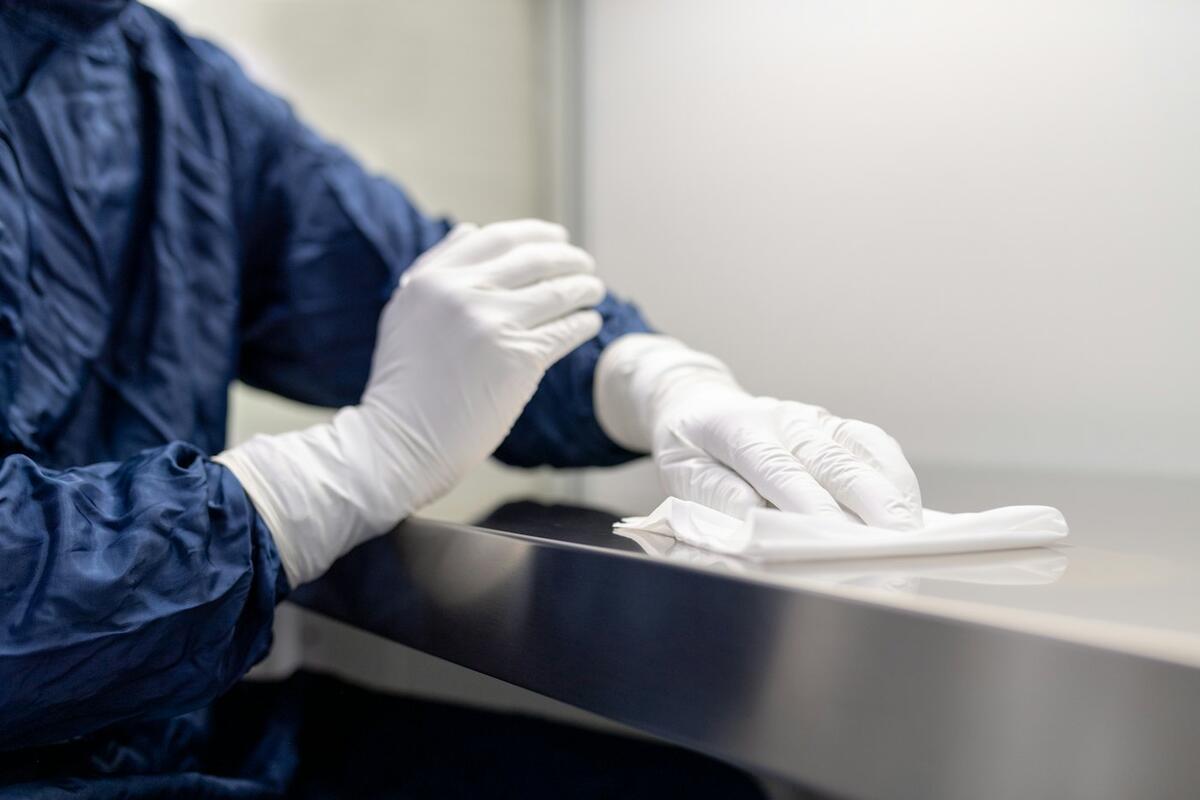
In most buildings, reconstruction is the easy part: the drying equipment leaves, the drywall goes up, the painter comes through. In a healthcare facility, the rebuild is where the dust happens. Cutting gypsum board, sanding joint compound, opening the ceiling plenum to re-run a line: each of these is a construction activity under ASHE ICRA 2.0, and the precaution class does not drop just because the moisture readings did. VeraPoint treats the rebuild as the second half of the same infection-control event, not a separate trade that shows up after the restoration crew leaves.
VeraPoint was founded in 2026 by healthcare professionals who spent their careers on the patient side of the barrier. That shapes how we rebuild: we will not close a wall over a substrate we have not verified against the ANSI/IICRC S500 drying goal, we will not drop containment in a mold-affected area until an independent post-remediation verification confirms Condition 1 per ANSI/IICRC S520, and we will not ask your infection preventionist to take our word for any of it. Based in Northeast Kansas City and serving Missouri and Kansas, with the capability to deploy nationwide.
What's at stake
The rebuild generates more dust than the demo
Drywall sanding, plenum work, and flooring prep produce exactly the fine particulate the CDC/HICPAC environmental infection-control guidance warns can carry Aspergillus and other fungal spores into patient-care areas. A rebuild crew that treats the job as ordinary finish carpentry turns a closed water event back into an open infection-control risk.
Every day the unit is closed has a census cost
A flooded med-surg wing or shuttered procedure room is lost capacity, not just a construction schedule. Reconstruction has to be sequenced around procedure calendars, census, and after-hours windows so beds and rooms come back in phases rather than all at once at the end.
The surveyor will ask for the file, not the story
Joint Commission Environment of Care surveys hold the facility, not the contractor, accountable for infection-control lapses during construction. If the ICRA permit, daily negative-pressure logs, barrier inspections, and clearance documentation are not in one place when the surveyor asks, the facility carries the finding.
How the work runs
Verify the handoff before anything gets covered
Reconstruction starts with proof that mitigation is finished, whether we performed it or another firm did. We review the drying logs against the ANSI/IICRC S500 drying goal for each material, retake moisture readings ourselves on the day the rebuild begins, and compare them to the dry standard from unaffected areas of the same building. If mold was involved, we require the independent IEP's post-remediation verification report showing the area returned to Condition 1 per ANSI/IICRC S520 before a single sheet of drywall is hung.
Re-run the ICRA for the rebuild phase
The rebuild is its own construction activity under ASHE ICRA 2.0, so we work through the five-step process with your infection prevention team: define the activity type (sanding, new wall construction, and ceiling work typically land in Type C, and a larger rebuild in Type D), identify the patient risk group of the space and its neighbors, determine the precaution class, assess surrounding areas horizontally and vertically, and set the mitigation plan including post-completion steps. The FGI Guidelines make the ICRA a required component of the Safety Risk Assessment for renovation work; we treat the resulting permit as the governing document for the job and the facility's infection preventionist as the authority who signs it.
Keep the containment up and the pressure negative
Critical barriers stay in place through finish work: sealed poly or hard-wall partitions built to be impermeable to fungal spores and compliant with fire code, HVAC supplies and returns sealed, and HEPA-filtered negative air exhausted outdoors or through HEPA where it must discharge indoors, consistent with CDC/HICPAC guidance for work zones adjacent to patient care. For Class IV and V work we add an anteroom for donning and doffing coveralls, tacky mats at the entry, and dedicated routes for crews and debris. Pressure differential is monitored continuously with a visual indicator and logged at least daily, and barriers are inspected on every shift and repaired on the spot.
Rebuild with clean materials and clean methods
Framing, insulation, gypsum board, flooring, casework, and finishes go in with the FGI principle of installing clean, dry, water-free materials: stock is staged in a protected area, inspected for moisture before installation, and never stored in the wet zone. Sanding is done with HEPA-attached tools or wet methods, debris is covered and sealed before it crosses the barrier, and carts and tools are wet-wiped before leaving the zone. Work is permitted and inspected under the local building code in the jurisdiction where the facility sits, and any state licensing-agency plan review the scope triggers is coordinated through your facilities team. Suspect materials are screened for asbestos before disturbance regardless of the building's age, painted surfaces in older construction are screened for lead, and regulated abatement is handled by appropriately licensed contractors.
Final clean and controlled de-containment
When finishes are complete, the zone gets a HEPA-vacuum, wet-wipe, HEPA-vacuum sequence on every surface, including above-ceiling. We follow the CDC/HICPAC completion steps: barrier curtains go up before the rigid barriers come down, HVAC is reconnected and filters replaced per facility policy, water lines serving the area are flushed under your water management program, and the facility verifies that air changes, humidity, and pressure relationships are restored. Your infection prevention team walks the space with us before it is released to Environmental Services for terminal cleaning and reopening; the construction final clean is ours, the terminal clean is theirs.
Hand over the survey file
The close-out package is built for the Environment of Care binder, not for our own records: the signed ICRA permit and class determination, daily negative-pressure and barrier-inspection logs, the moisture verification taken at rebuild start, the S520 post-remediation verification report where applicable, building permits and inspection sign-offs, material submittals, and dated photographs from handoff through final clean. One file, one chain of custody, delivered to facilities and infection prevention together.
Standards that shape this work
ANSI/IICRC S500
S500 defines the dry standard and drying goal that mitigation must reach; we treat documented attainment of the drying goal, confirmed by our own readings, as the gate that must be passed before reconstruction covers any material.
ANSI/IICRC S520
Where mold was present, S520 provides for post-remediation verification by an independent indoor environmental professional confirming a return to Condition 1, with containment staying in place until that verification is complete; for healthcare we treat it as the gate before any finish work proceeds.
ASHE ICRA 2.0 and the FGI Guidelines
The FGI Guidelines require an Infection Control Risk Assessment as part of the Safety Risk Assessment for renovation, and ICRA 2.0 supplies the matrix we use with your infection prevention team to classify the rebuild activity and set barrier, pressure, and anteroom requirements.
CDC/HICPAC Guidelines for Environmental Infection Control in Health-Care Facilities
This guidance sets the expectations we build to during the rebuild: spore-impermeable barriers, negative pressure in work zones adjacent to patient care with daily documentation, HEPA exhaust for above-ceiling work, anterooms, and the specific sequence for cleaning and de-containing the zone at completion.
Why VeraPoint
Founded on the patient side of the barrier
VeraPoint's founders came to restoration from healthcare. They know what it looks like from the facility side when a contractor's dust shows up on the wrong side of the plastic, and they built this company so that the rebuild phase is held to the same containment and documentation discipline as the mitigation that preceded it.
One file from extraction to final coat
When mitigation and reconstruction are handled by different vendors, the documentation chain breaks exactly where the surveyor looks. We keep a single accountable project lead and a single, continuous record, so the moisture map from day one and the clearance photo from the last day sit in the same binder with nothing missing in between.
We will not close a wall we have not verified
It is faster to trust the previous vendor's paperwork and start hanging board. We do not. Every rebuild begins with our own moisture readings against the S500 drying goal and, where mold was involved, an independent S520 post-remediation verification in hand. If the substrate is not ready, the schedule moves, not the standard.
Questions we hear
Can you rebuild while the unit stays open?
Another company did the water mitigation. Will you take on the reconstruction?
What will our infection prevention team receive at close-out?
Do your crews go through our vendor credentialing?
Plan the rebuild before the next loss, not after it.
A fifteen-minute conversation with your facilities and infection prevention leads now means a pre-agreed containment approach, credentialing already on file, and a rebuild that starts the day drying is verified. For an active loss, our emergency line is answered around the clock.
Also for healthcare
The as-built your facilities team wishes it had
Matterport Pro3 LiDAR captures of occupied units, above-ceiling conditions while the ceiling is open, and dated before, during, and after records of every loss we handle, delivered as walkthroughs, floor plans, point clouds, and Revit-ready models for the Environment of Care file and the next renovation's design team.